Adding property value: when moss is an asset, not a problem
By Maria Mandap-Fraguada, REALTOR® · September 2026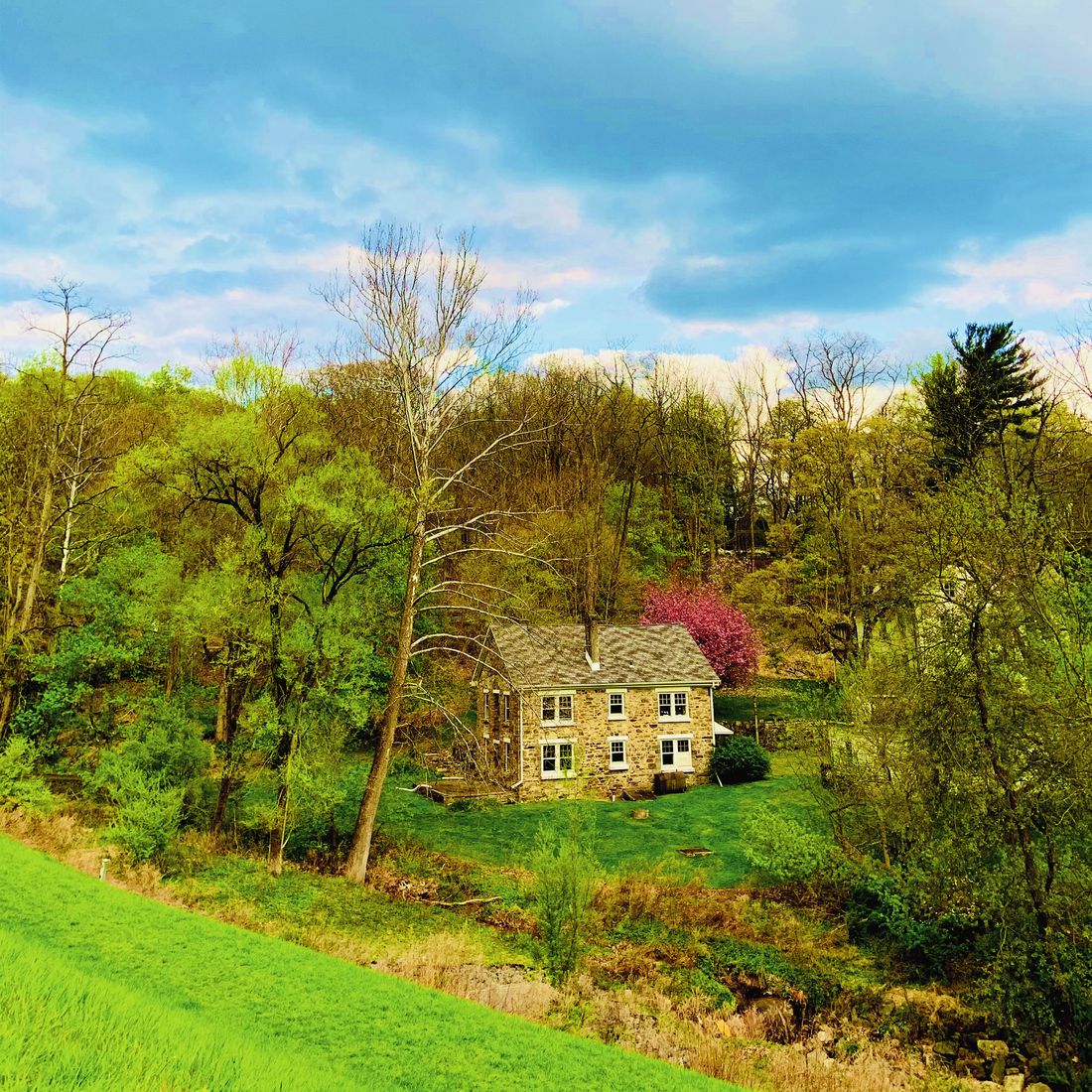
PrincipleSome things can only grow with time.
Some of the most valuable features of a property can't be bought or installed. They grow. Moss is one of them. Most homeowners see it as something to scrub away. Handled well, it can be one of the things that makes your property feel established, cared for and memorable to the next buyer who walks up the path.
This guide will help you tell the difference between moss that adds value and moss that's asking for attention, so you can protect your home and present it at its best.
Character that adds value over time
You can't force moss. It shows up where there's shade, moisture and stillness, and then it takes its time. Character in a home grows the same way. It isn't installed. It settles in, season after season, until the property feels like it has always belonged there. That's something a brand-new build can't offer, and buyers notice it.
Why buyers pay attention to an established landscape
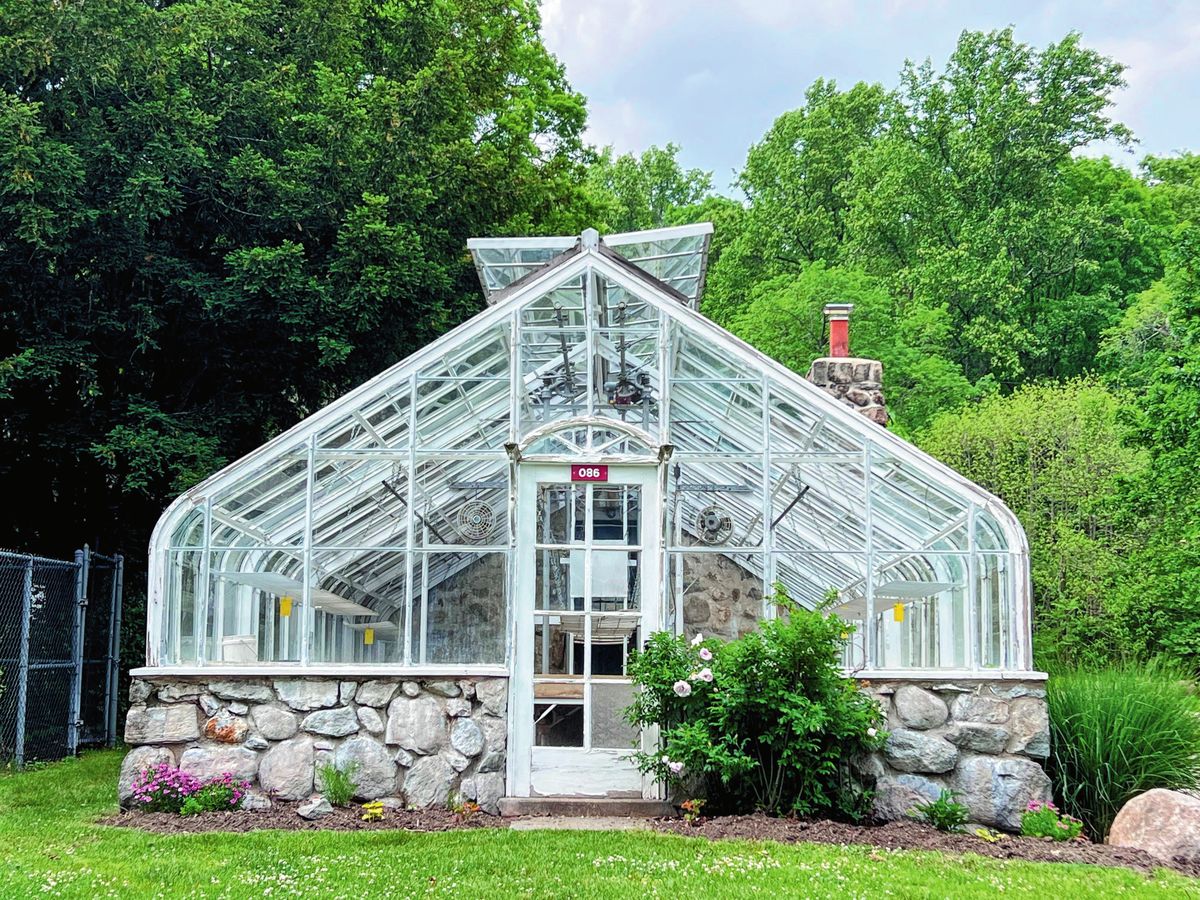
An old stone wall softened by moss. Mature trees arching over the front walk. Natural stone rising through a woodland garden. These details tell a buyer the place has been cared for and has roots. They shape the first impression, the listing photos and the feeling someone carries home after a showing. Moss won't add a dollar amount to an appraisal on its own, but that impression is part of what makes one home stand out from another.
Frank Lloyd Wright understood this at Fallingwater. Instead of clearing the land, he built the house into it, over the waterfall and from local stone. The home doesn't compete with nature. It grows out of it.
Where moss adds value, and where it costs you
Like any good gardener, you learn to tell a flower from a weed. Take a slow walk around your home and use this as your guide.
| Where you find moss | What it says to a buyer | How to protect your value |
|---|---|---|
| Stone walls, boulders, garden paths | Character and a settled landscape | Keep it. Edge it neatly and clear fallen leaves |
| Shaded lawn where grass struggles | The conditions favor moss over turf | Consider a moss garden instead of reseeding every year |
| Shaded slopes and bare soil under trees | A natural ground cover that holds soil and slows runoff | Keep it. It's low maintenance and green most of the year |
| Roof or shingles | Trapped moisture that can shorten a roof's life | Have it cleaned gently by a roofing professional |
| Decks, steps and walkways | A slip hazard when wet | Clean it and improve sun or drainage nearby |
| Siding, foundation or damp masonry | Moisture, poor drainage or clogged gutters | Find and fix the source, not only the growth |
When moss does need to go, be gentle. High-pressure washing can damage old stone, soft masonry and some finishes. Care always works better than force.
Showcase it before you list
- Clear gutters and address any damp spots buyers or inspectors might notice
- Clean moss from roofs, decks and walkways so they read as maintained, not neglected
- Frame the moss you keep with stone, mulch or a simple path
- Schedule listing photos in soft light after a rain, when the green is richest
Adding moss to boost curb appeal
If you'd like to invite moss in, source it the way you'd source any plant: from a reputable nursery or native-plant grower, or move a small patch from elsewhere on your own property. Never take it from parks or protected land. Then give it shade and moisture, and let it take its time.
The value of patience
Adding value doesn't always mean making a home look newer. Sometimes it means letting a property grow into itself, and recognizing the character that's already there.